
In Nebraska, summer storms are often a package deal: heavy rain, high winds, and the inevitable pelt of hail. While the thunder eventually fades, the impact left on a roof can linger for years if left unaddressed. Identifying hail damage early is the most effective way to prevent minor surface bruises from turning into structural failures and costly interior leaks. Here is how to safely identify potential hail damage after the clouds clear.
Start from the Ground Up
Safety is the first priority after any severe weather event. Homeowners should avoid climbing onto a wet or potentially compromised roof to look for damage. Instead, using a pair of binoculars to walk the perimeter of the property is a much safer alternative.
Start by looking at the "soft metals." Check gutters, downspouts, and metal valley flashings for small dings or dents. Because these materials are thinner than shingles, they often show clear evidence of the hail’s size and force. If gutters are dented, there is a high statistical probability that the shingles took a hit as well.
Identifying Shingle Bruising
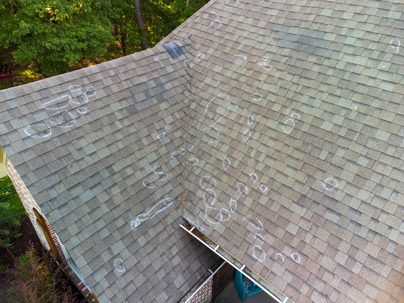
Hail damage on asphalt shingles isn't always as obvious as a hole or a tear. Most often, it appears as "bruising." These are dark, circular spots where the protective granules have been knocked away, exposing the black substrate underneath.
When these granules are missing, the asphalt layer is exposed to the sun’s harsh UV rays. Over time, the sun causes that spot to become brittle and crack, eventually allowing water to seep into the structure. An unusual amount of sand or granules accumulating at the end of downspouts after a storm is a strong indicator that shingles have suffered significant loss.
Check the Accessories
A roof is an integrated system that includes more than just shingles. Inspecting roof vents, chimney caps, and any skylights is essential. Plastic roof vents are particularly susceptible to cracking or shattering during a heavy hail storm. A cracked vent is a direct gateway for water to enter an attic during the subsequent rainfall.
The Danger of Hidden Damage
One of the biggest misconceptions about hail is that if the roof isn't leaking today, it isn't damaged. In reality, hail damage is a progressive issue. A shingle compromised by hail may hold up for several months, but the accelerated shedding of granules and the weakening of the fiberglass mat will eventually lead to failure. Identifying these signs early allows for documentation while the damage is still fresh, which is vital for insurance purposes.
Professional Assessment
While a ground-level check is a great first step, some hail impacts are nearly invisible to the untrained eye. At Andy Janovich Roofing, we provide honest, transparent assessments to help you determine if a simple repair is sufficient or if a full replacement is necessary to maintain your home’s integrity. Our team is trained to identify subtle patterns of wind-driven hail and structural weaknesses.
If you suspect your roof has been caught in the crosshairs of a Nebraska summer storm, don’t wait for the first drip in the attic to take action. Contact us today to schedule your 100% free storm damage assessment. You can also call us at (531) 223-4902 to get started.